

Case Study | Rush: A Disney-Pixar Adventure
Designing embodied play for a new mode of interaction
RUSH: A Disney–Pixar Adventure was conceived at a pivotal moment, both for interactive entertainment and for Microsoft. The project launched in the earliest days of Kinect, when body-based interaction was unproven and real-time gameplay was redefining how people engaged with games.
At the same time, Pixar had only recently joined Disney, creating a delicate creative ecosystem with evolving roles, responsibilities, and approval structures. This project sat directly at the intersection of new technology, newly aligned organizations, and some of the most beloved IP in the world.
There were no precedents, only expectations.
This project required inventing workflows, visual standards, and approval paths that simply didn’t exist yet.
The Journey Took Us Here
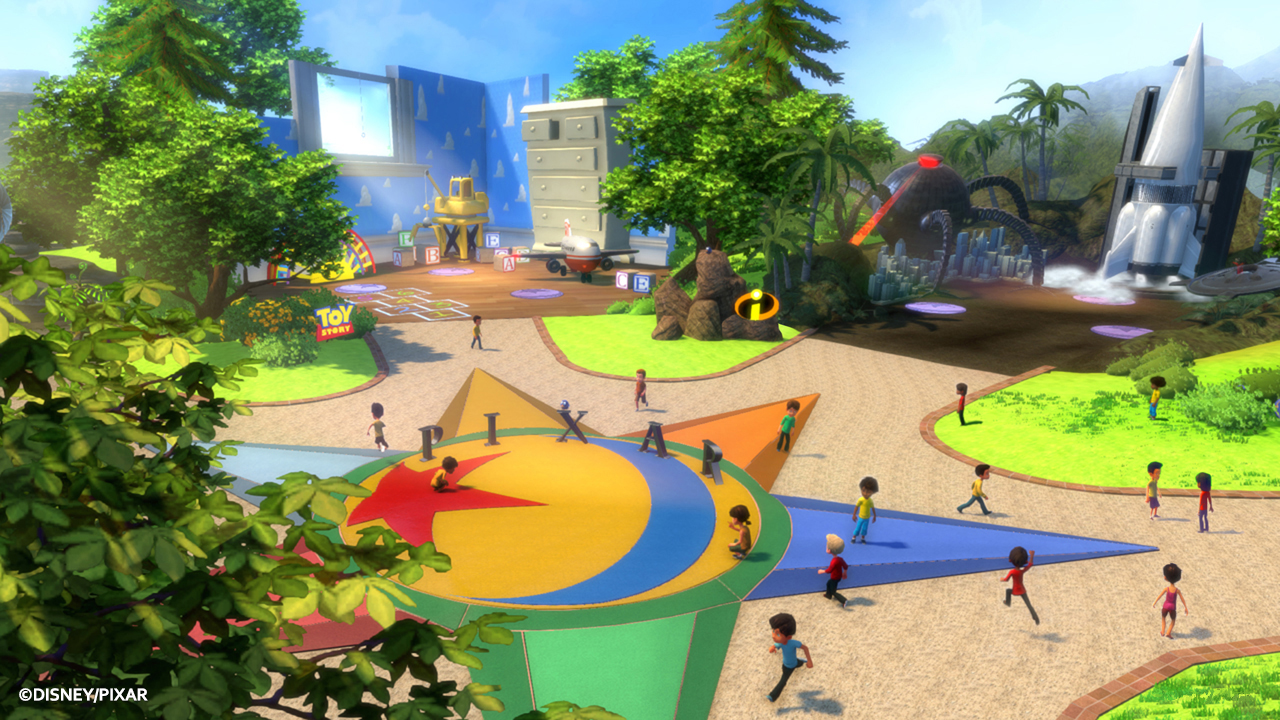
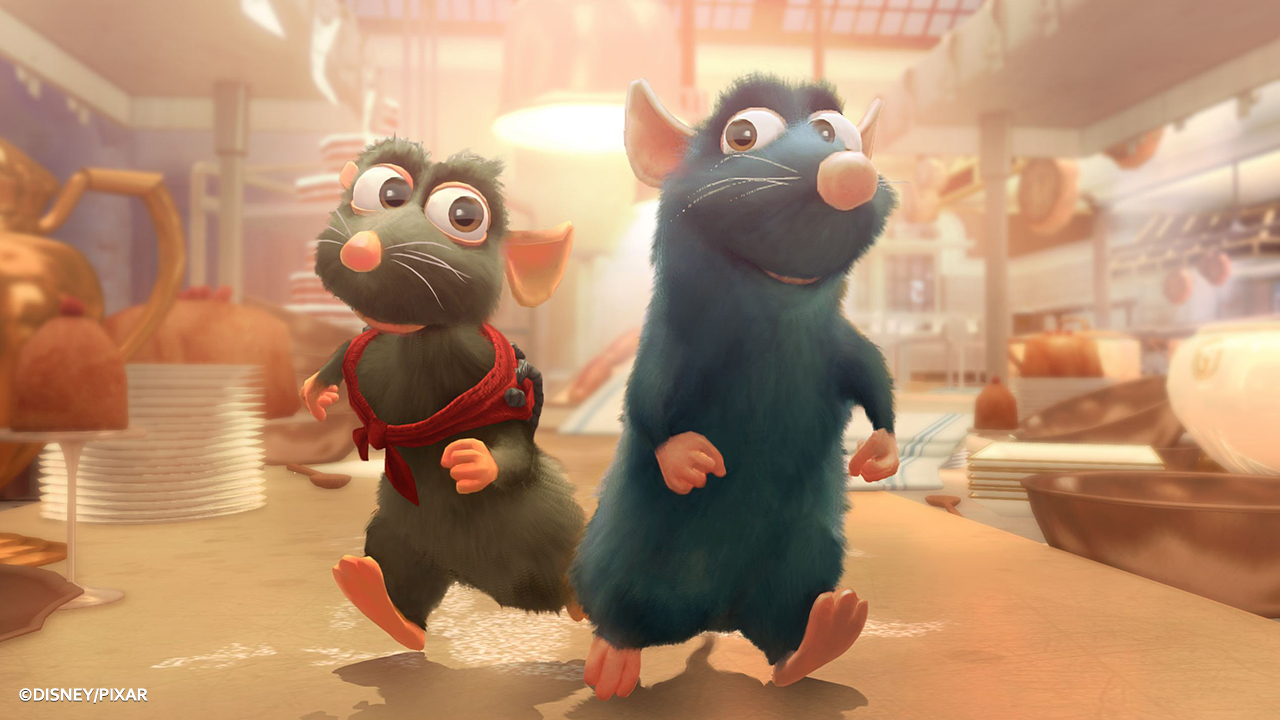
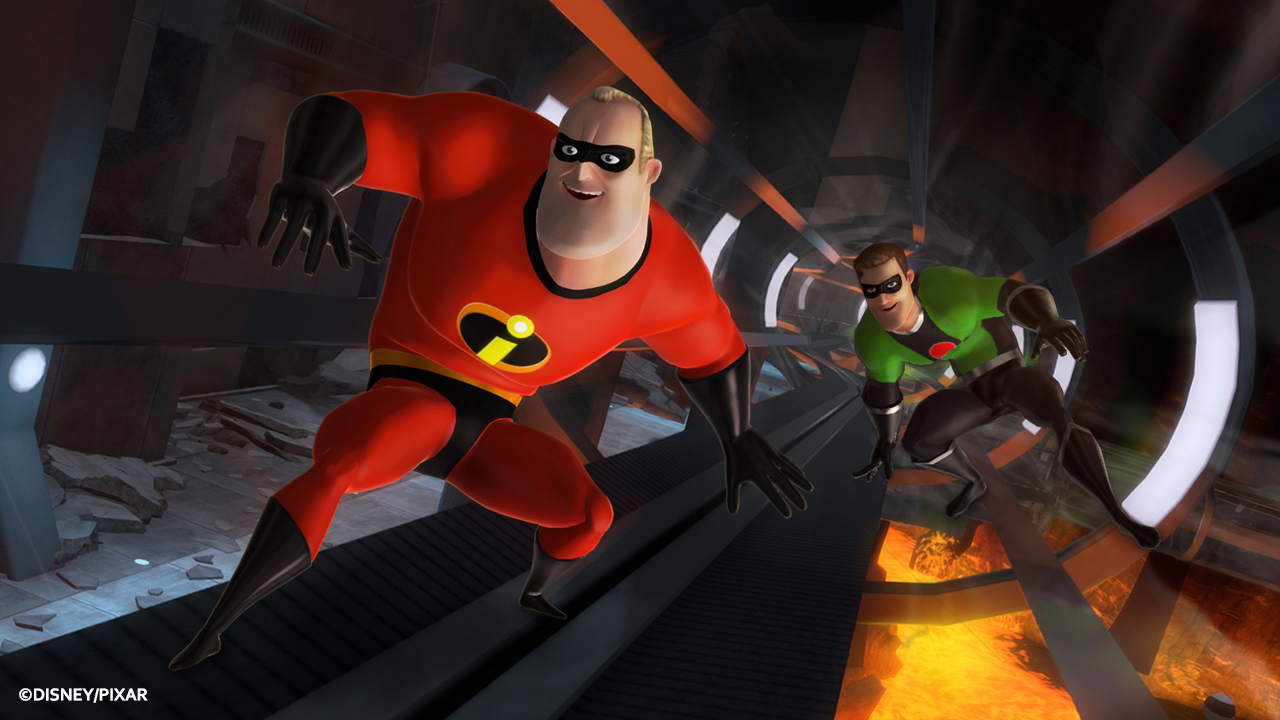
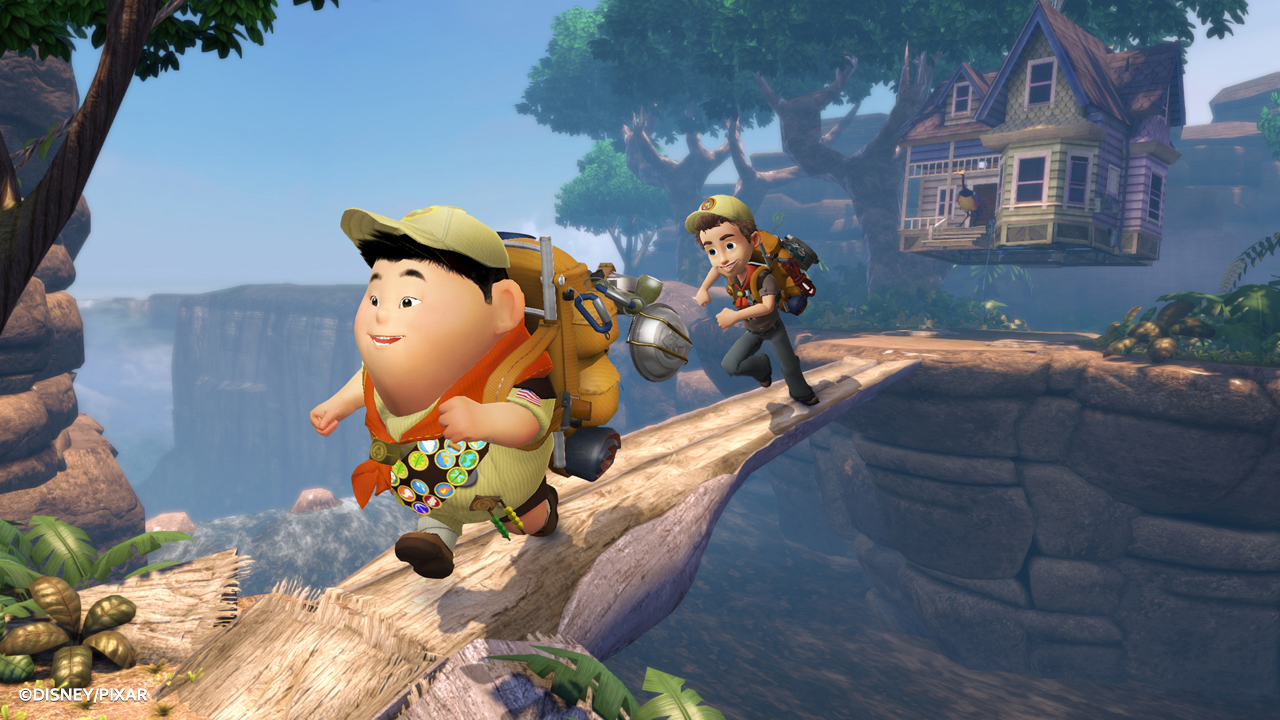
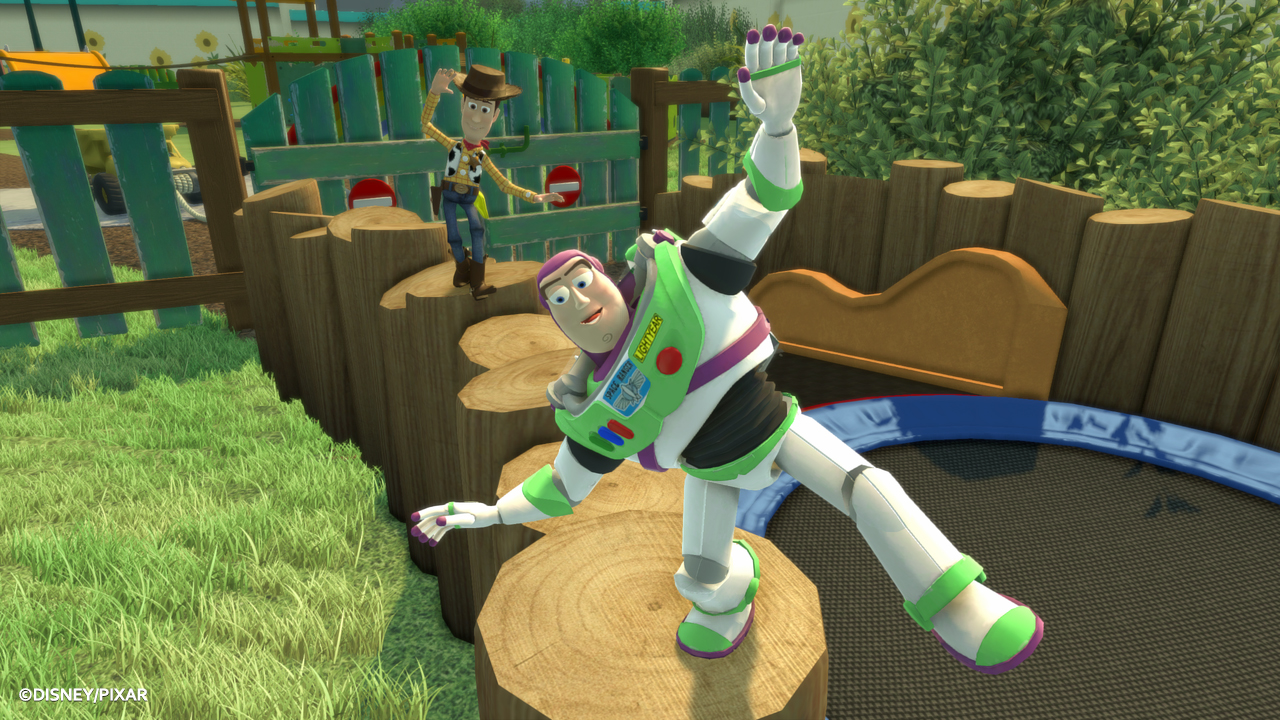
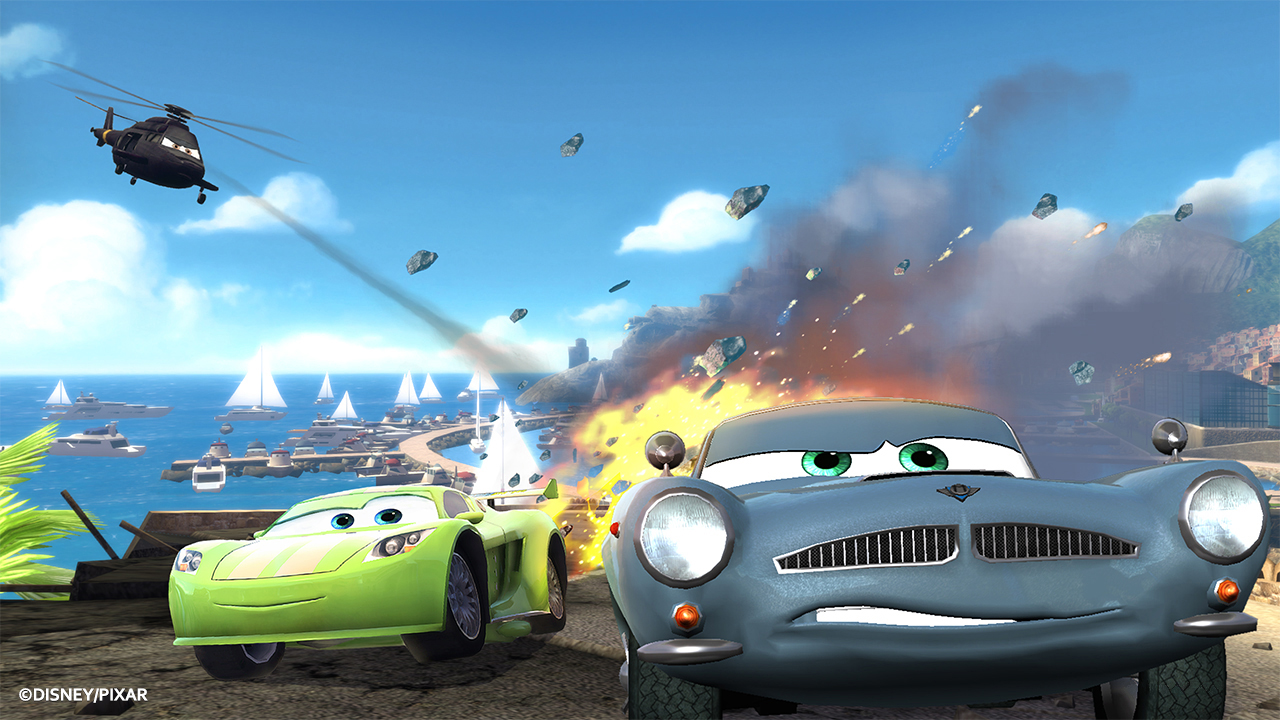
What ultimately shipped was a fully realized, body-driven Pixar experience, one that placed players directly inside five iconic worlds, without a controller, and without breaking the emotional logic of the films themselves. From the first moment of entry through the central playground, players could move seamlessly into Up, Ratatouille, Cars, Toy Story, and The Incredibles, each translated into a real-time, interactive space designed to feel unmistakably Pixar.
These final environments represent the destination, not the starting point. What appears effortless on screen was the result of hundreds of creative, technical, and organizational decisions made in uncharted territory. The images below capture the finished experience, but they only hint at the questions we had to answer along the way, before any precedents or playbooks existed, to get there.
Getting You Into The World
The real challenge wasn’t scanning a player. It was making them belong
When Kinect entered the picture, it fundamentally changed the creative question in front of us. This wasn’t about choosing a Pixar character and stepping into a familiar role. The promise of Kinect was embodiment: movement, presence, and participation. If the technology allowed you to be in the game, then the experience needed to be built around you.
From a storytelling and experience standpoint, letting players simply select Buzz or Woody would have missed the point entirely. The magic of Kinect wasn’t control—it was connection. The goal became clear early: you don’t play alongside Pixar characters, you become one.
Challenge accepted: Making you belong
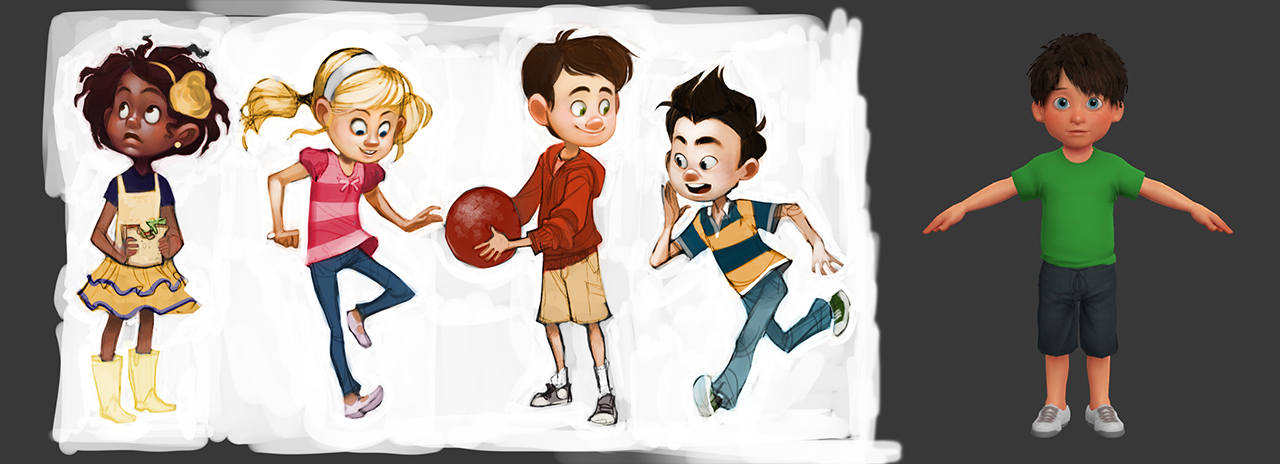
Once we accepted that the player, not a Pixar hero, was the protagonist, the next question became unavoidable: who is the player inside this universe?
Kinect could give us a body, but it couldn’t give us context. We needed a form that felt emotionally neutral, universally relatable, and believable across every Pixar world, without overpowering the films themselves. The answer wasn’t a hero. It was a kid.
From Imagination to Story
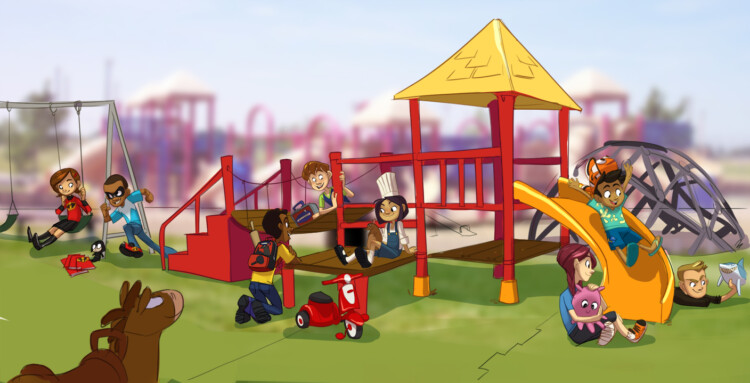
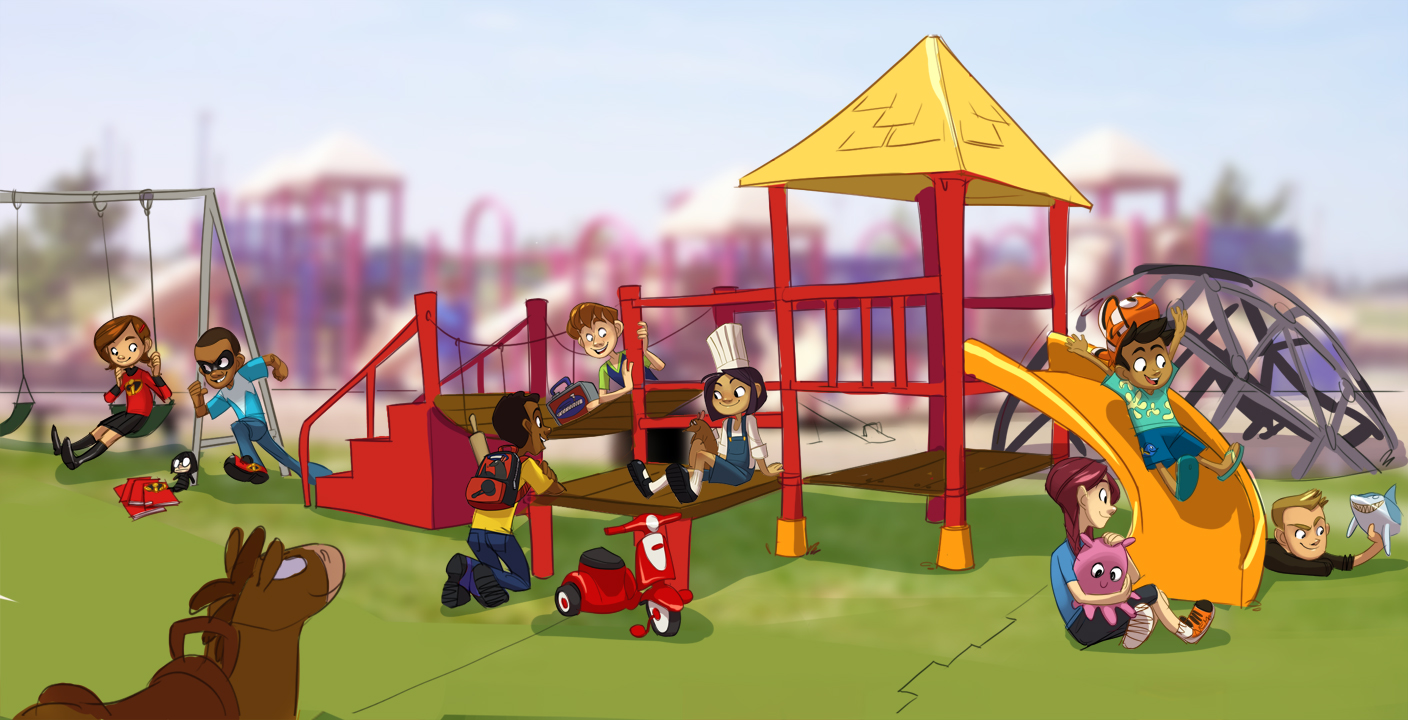
Once we knew the player would enter the experience as a kid, the challenge shifted again. Kids don’t choose worlds from menus, they imagine their way into them. Playgrounds aren’t destinations; they’re launchpads. They’re places where a slide becomes a mountain, a cardboard box becomes a spaceship, and a moment of play turns into a story.
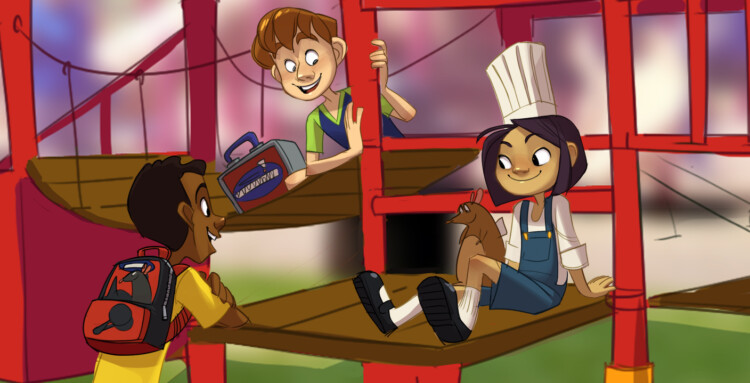
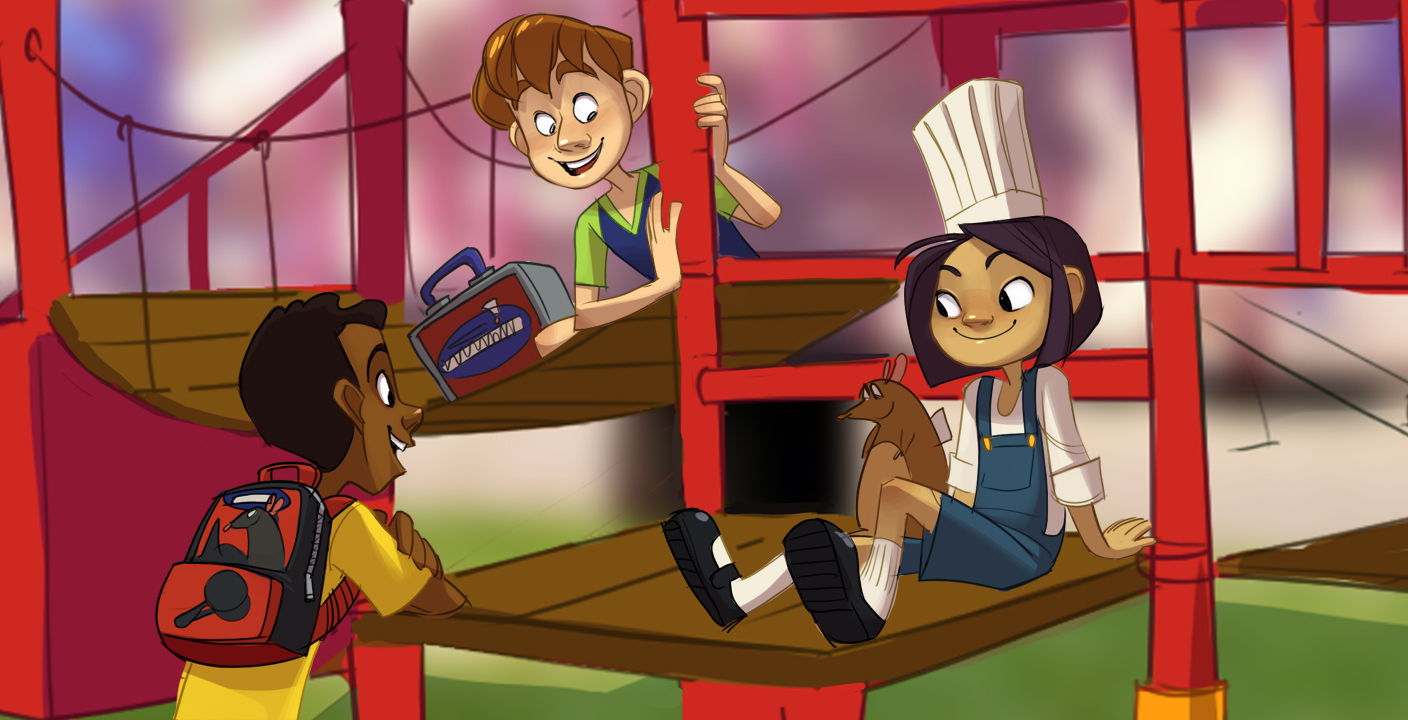
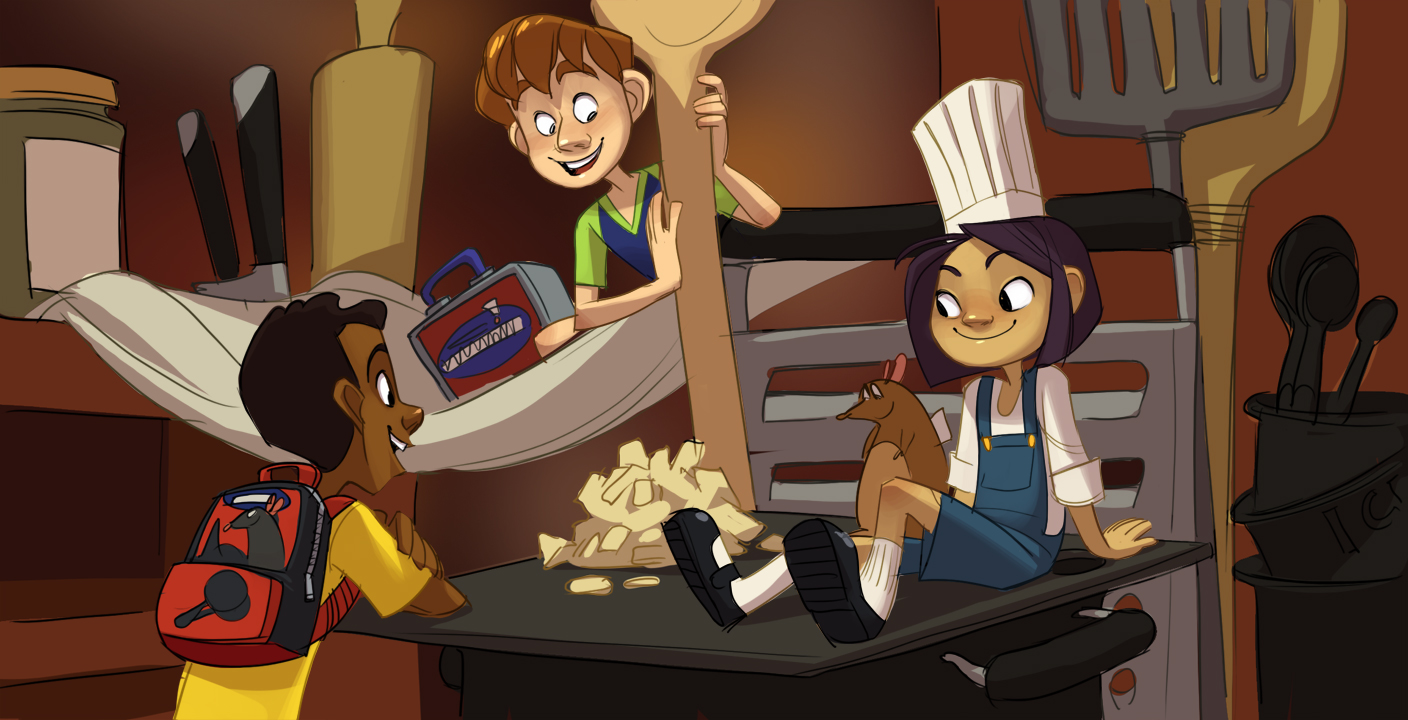
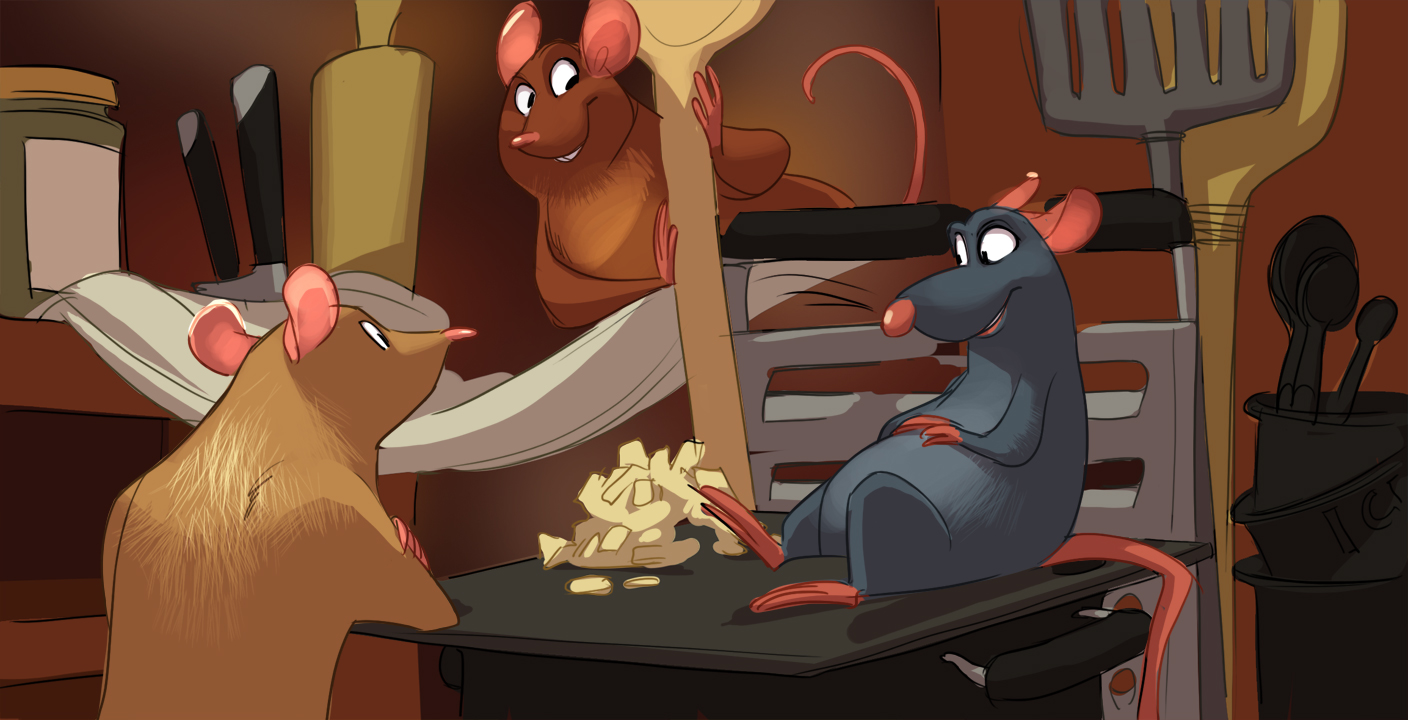
That insight shaped the foundation of RUSH. Rather than transporting players directly into a Pixar film, we created a shared space, a central playground, where imagination could do the work. From there, Pixar worlds weren’t selected; they were entered. A play structure became a kitchen. A sandbox became Radiator Springs. A moment of pretend became a real, explorable place.
This approach preserved something essential: the emotional logic of the films. You weren’t replacing a Pixar hero or rewriting their story. You were stepping into their world through play, the same way kids always do, by imagining themselves inside it.


From Story to Play
Imagination alone wasn’t enough. Once a child imagined their way into a Pixar world, the experience had to respond, immediately, intuitively, and physically. This was where fantasy became interaction through embodied play, physically grounded.

Each world began on the playground. Before any mechanics were introduced, players narrated their intent through play, using body language and physical presence together, within a shared space who they were, what they were pretending, and what story they were about to step into. These moments weren’t traditional cutscenes; they were bridges. The game listened, then carried that intent forward.
The transition wasn’t a hard cut but a transformation. A toy became a tool. A costume became a role. By the time players entered the world, they weren’t learning how to play, they already were. Tutorials became narrative momentum, and gameplay felt like a continuation of imagination rather than an instruction manual, guided by story, motion, intent, and playful discovery, rather than explicit instruction systems.

Designing Across Worlds (and Teams)
Bringing RUSH to life required alignment across very different creative and technical cultures. Pixar worked in a deferred, offline rendering pipeline with virtually no real-time constraints. We were building for Xbox—real-time, performance-bound, and unforgiving. Bridging that gap was one of the project’s most meaningful challenges, that demanded trust, translation, iteration, and shared standards across studios and disciplines.
Working closely with Pixar and Disney Interactive to define the rules of the universe itself. It wasn’t about what could be built, but what should exist. Could characters cross worlds? Would WALL·E and Eve feel authentic inside Ratatouille, or Sully belong in Up without breaking the emotional contract audiences had with those films? Our decisions were rooted in story and brand stewardship.
Pixar worlds are authored spaces with distinct tone and emotional logic. Letting characters move freely between them risked turning those worlds into references rather than places that felt real. Our role was to preserve integrity by aligning possibility with responsibility, defining where imagination belonged and where boundaries were needed.

To test the limits of visual fidelity, we focused on the full range of worlds that shipped with RUSH. The Incredibles, Toy Story, Ratatouille, Up, and Cars each presented distinct challenges—scale, lighting models, material response, color language, and character density—all running simultaneously within the constraints of real-time performance on Xbox hardware. These weren’t isolated showcase scenes; they were fully playable environments designed to hold up under constant motion, interaction, and player presence.

The result was a clear demonstration of what was possible. Asobo’s real-time rendering pipeline achieved a level of quality that honored Pixar’s visual standards while running on consumer hardware, despite tight performance budgets, memory limits, and unforgiving frame-rate targets. As an art director, that achievement remains one of the most overlooked, and most meaningful, successes of the project.
That balance between fidelity, performance, and storytelling defined RUSH. Not just in what we built, but in how multiple teams came together to make it work, through shared trust, clear leadership, disciplined collaboration, and mutual creative respect.
Closing The Loop
RUSH was never about technology for its own sake. It was about using new forms of interaction to honor story, imagination, and trust—between players and the worlds they entered, and between the teams building the experience. Every major decision, from embodiment to visual fidelity, was guided by respect for Pixar’s storytelling DNA and the realities of real-time play.
I was fortunate to work alongside an exceptionally talented team at Microsoft—the designers, engineers, and producers I relied on most throughout development. Together with Asobo, Pixar, and Disney Interactive, we aligned creative ambition with technical constraint, translated intent across disciplines, and made deliberate choices about when to push and when restraint mattered more.
My role focused on providing creative leadership across those boundaries—establishing shared standards, guiding decision-making, and ensuring that multiple teams moved forward with clarity, trust, and a unified vision. The accompanying developer diaries capture that collaboration firsthand, reflecting the people and process that brought RUSH to life.
My Role and Areas of Contribution:
Product & Strategy
Vision
Align business goals, user needs, and technical realities into clear direction.
Experience & Interface Design (UX/UI)
Design intuitive, scalable experiences balancing usability and aesthetics.
Application & System Design
Design within real engineering constraints and sustainability.
Creative & Design Leadership
Set direction, mentor teams, and maintain quality through delivery.
Spatial & Environmental Design
Design environments where space and motion guide behavior.
3D Visualization & Prototyping
Utilize 3D to test concepts, align stakeholders, and reduce overall risk.
© Disney/Pixar. RUSH: A Disney•Pixar Adventure developed by Asobo Studio and published by Microsoft Studios.
All images and trademarks are the property of their respective owners and used here for portfolio purposes only.