

SK-II Olympic Pavilion — Tokyo 2021
As a member of Microsoft’s Mixed Reality Studio, I contributed to the SK-II Olympic Pavilion at the Tokyo Olympics, with SK-II serving as the centerpiece experience within P&G’s Olympic presence. Originally planned for 2020, the project launched in 2021 following pandemic delays and became a flagship attraction within the Olympic Fan Experience at Odaiba.
Working closely with the interdisciplinary team at Huge Brooklyn, who led overall creative direction, narrative development, and physical set design, I helped shape the mixed reality experience layer that integrated SK-II’s campaign storytelling with emerging technology. The focus was on delivering a visually cohesive, emotionally resonant experience that could operate reliably in a high-traffic, public venue.
My role centered on art direction and experience design for the digital components, defining the visual language and experiential tone that aligned with the pavilion’s architecture and narrative intent. I partnered closely with engineering, production, and operations teams to ensure the digital experience held up under real-world constraints, including performance, scale, and reliability.
In addition, I managed a team of artists responsible for all digital assets, owned the technical art pipeline, coordinated production workflows, and served as a primary liaison between Microsoft’s Mixed Reality team and Huge Brooklyn’s creative leadership, ensuring consistent execution across digital, physical, and narrative elements.
This project pushed the boundaries of experiential design, demonstrating how immersive technology, when guided by strong art direction, disciplined production, and cross-disciplinary collaboration, can deliver meaningful, real-world impact at global event scale.
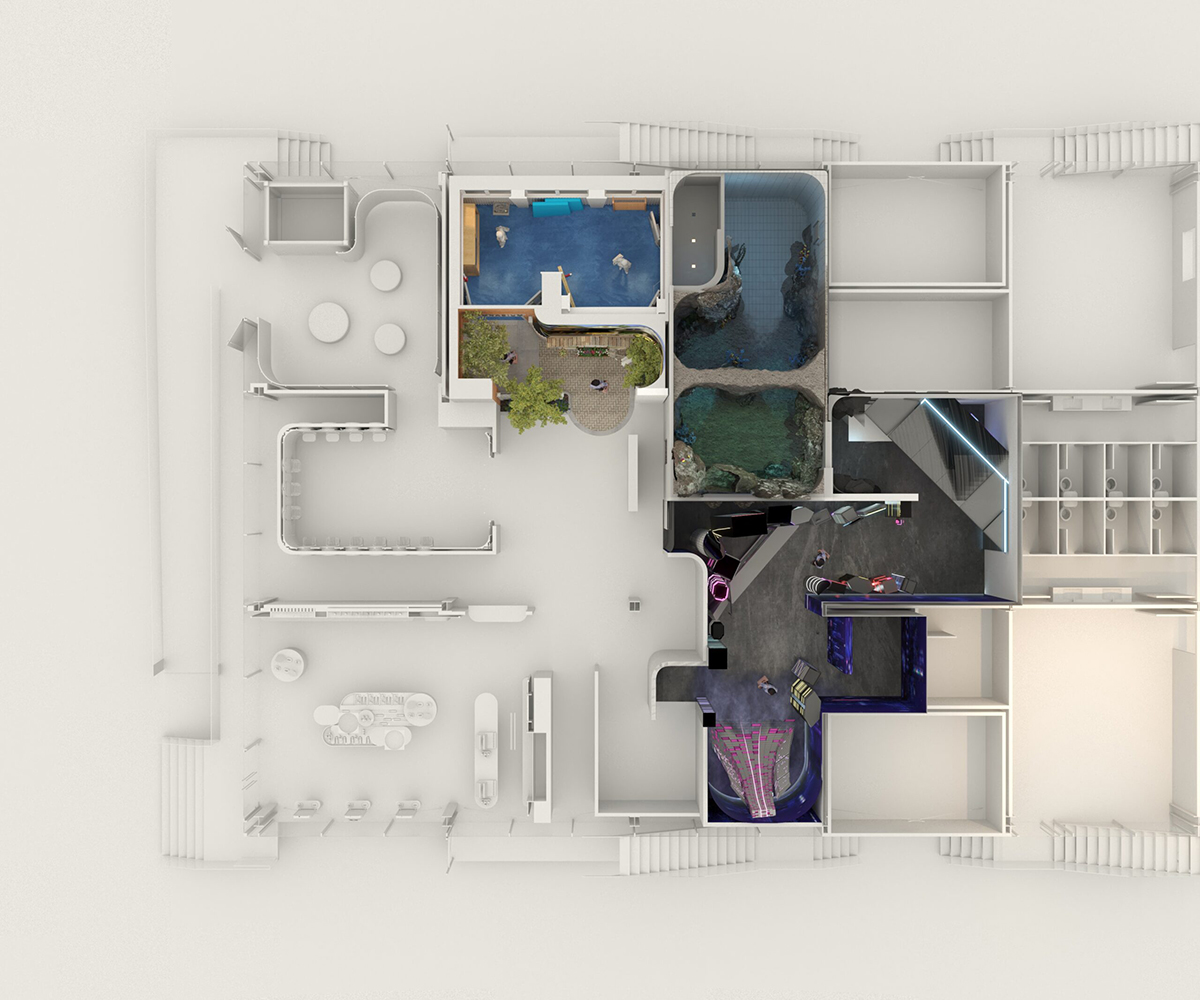
Experience Structure & Visitor Flow
The SK-II Olympic Pavilion was designed as a guided, linear experience, one continuous path that moved visitors through architecture, narrative, and mixed reality as a single unfolding journey. From the exterior, the pavilion presented itself as a bold, highly visible landmark within the Olympic Fan Experience at Odaiba, drawing visitors upward and inward toward the experience.
Once inside, guests followed a carefully choreographed circulation path that led them sequentially through three immersive mixed reality chapters. Each chapter focused on a single Olympic athlete and a specific personal challenge drawn from SK-II’s VS. campaign, translating those stories into embodied, spatial interactions that blended physical sets, digital content, and intuitive gesture-based engagement.
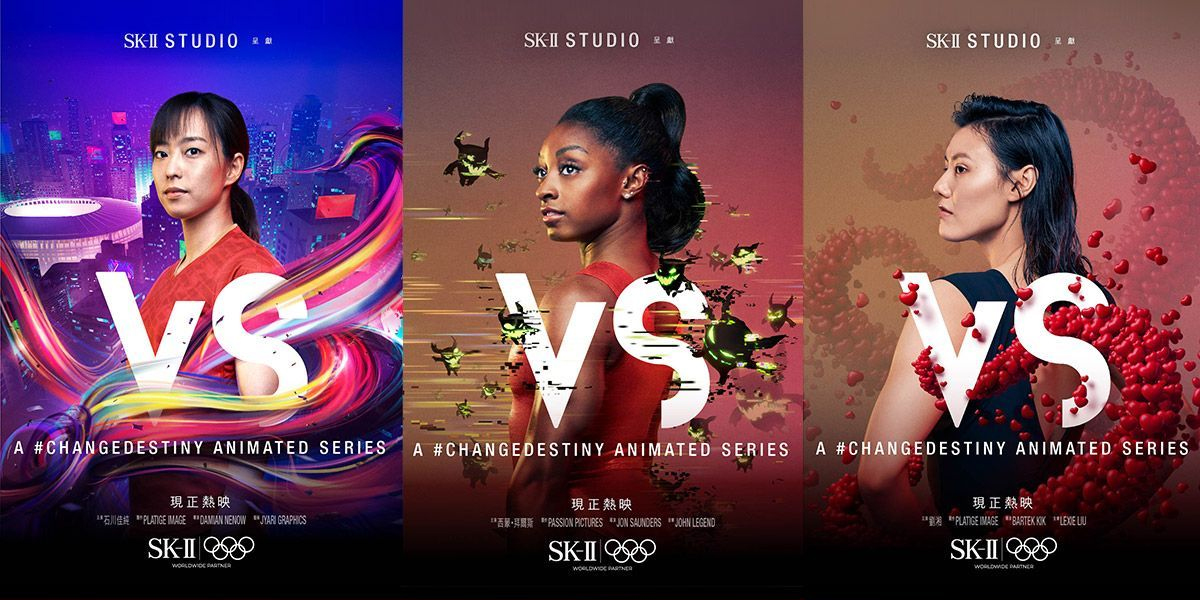
The Three-Chapter Journey
The SK-II Olympic Pavilion was structured as a three-chapter mixed reality journey, with each chapter centered on a specific Olympic athlete and a defining personal challenge. Through a combination of spatial design, physical interaction, and narrative framing, each chapter translated that athlete’s story into an embodied experience, one that visitors didn’t simply watch, but moved through, responded to, and participated in. Together, the chapters formed a cohesive progression, allowing guests to engage with the athletes’ journeys emotionally and physically as a single, continuous experience.
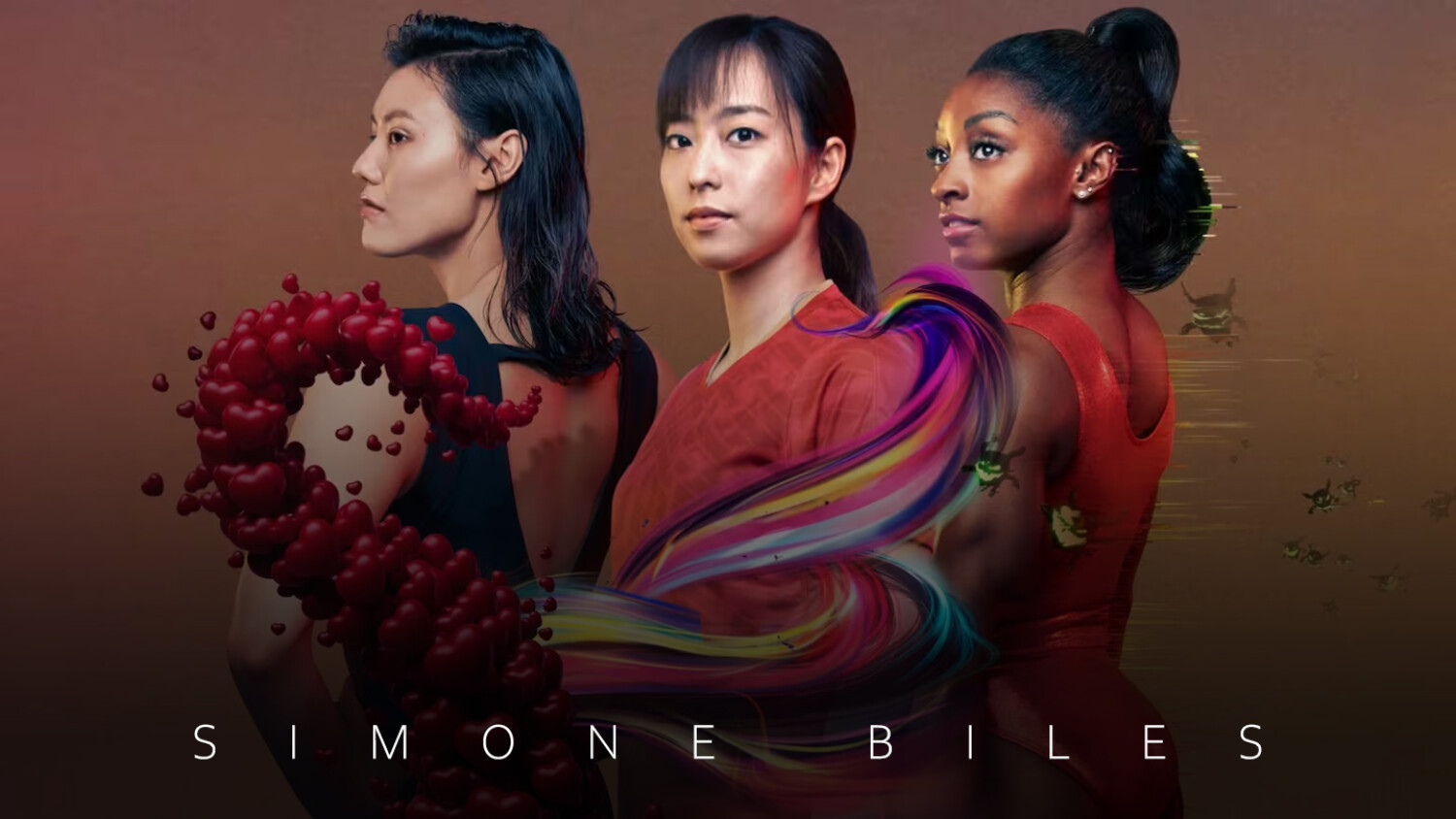
Chapter One: Simone Biles
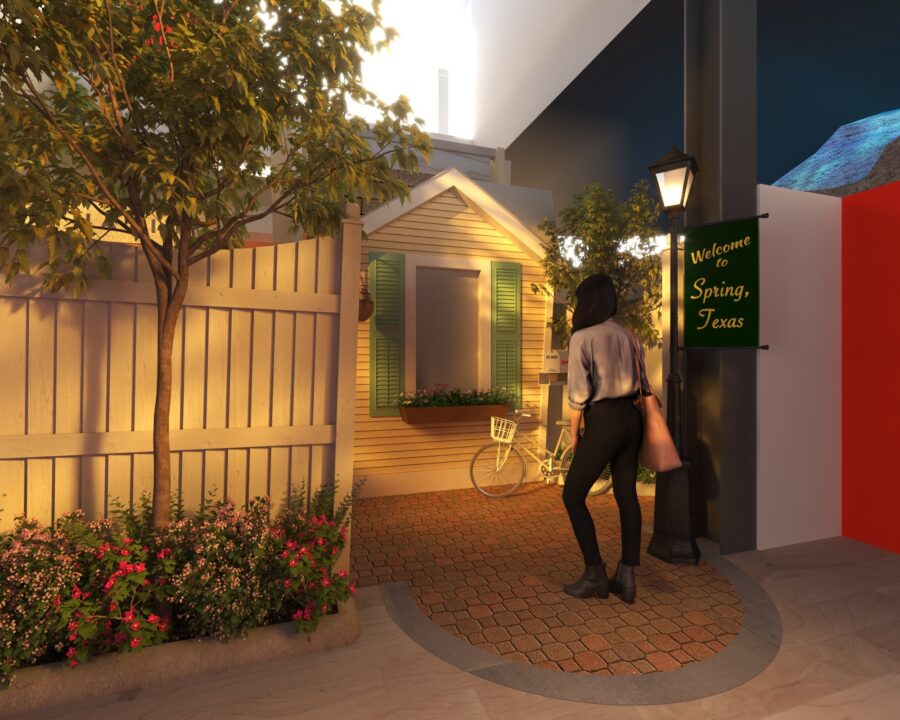
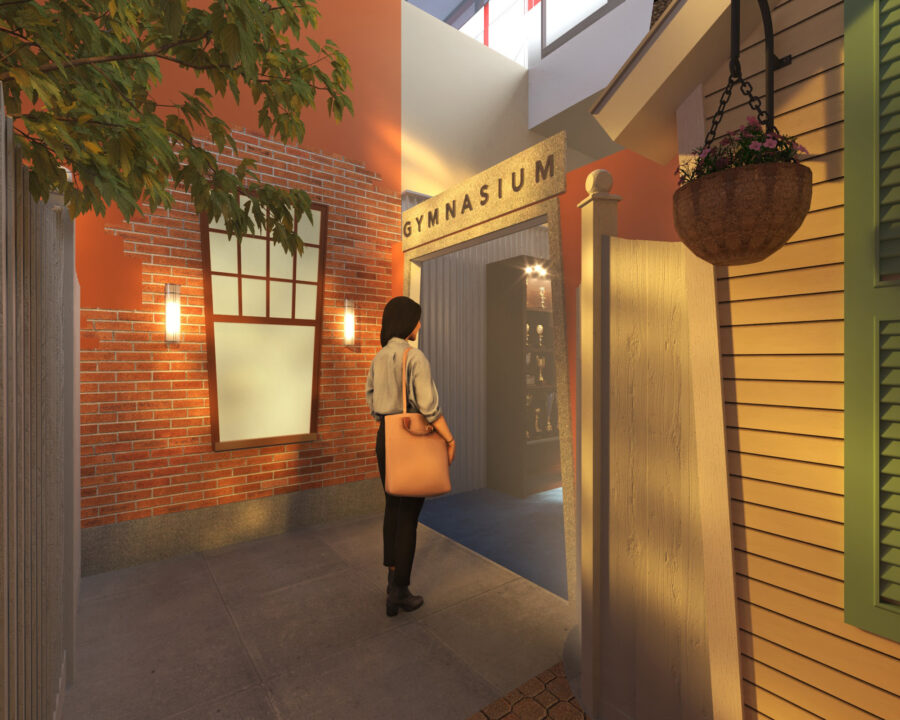
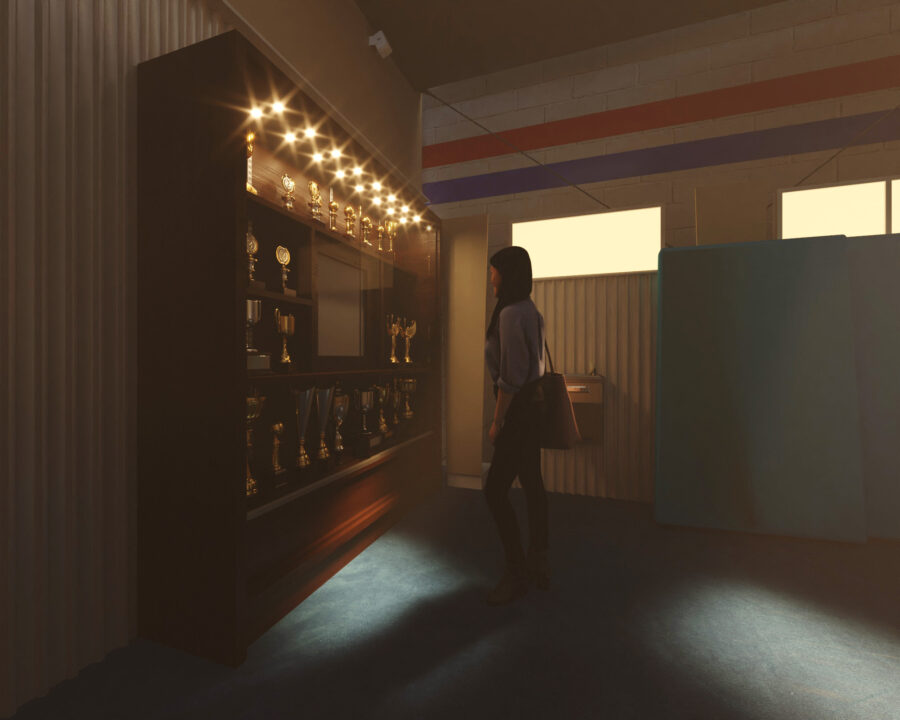
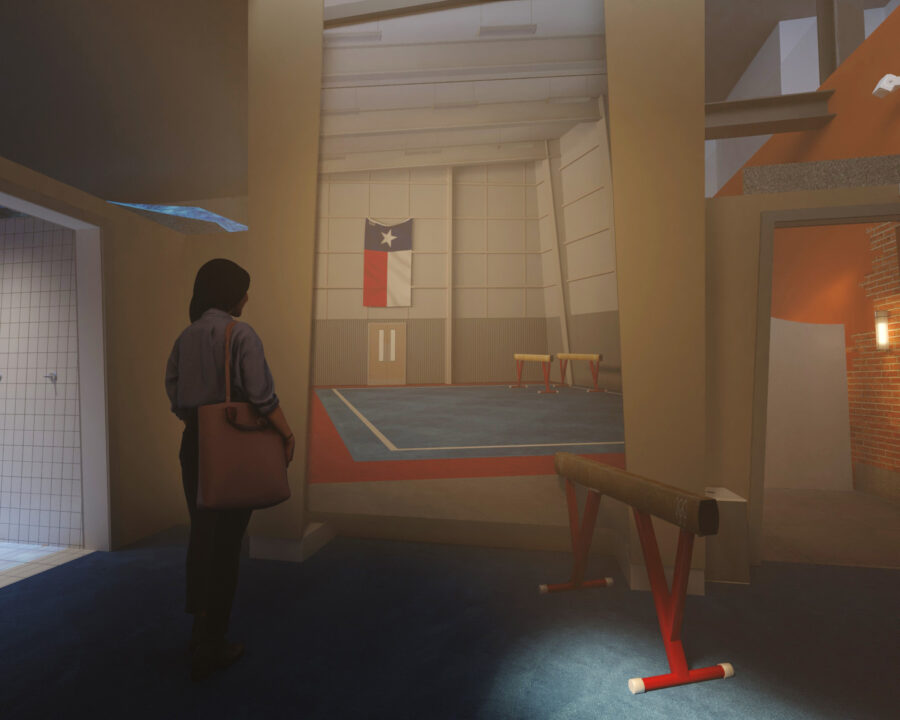
The journey began in Spring, Texas, where visitors were introduced to Simone Biles’ early career and the pressures she faced as a young gymnast. Participants used intuitive hand gestures to confront swarms of digital manifestations representing online negativity and public scrutiny, culminating in a shared physical challenge that symbolized resilience and self-belief.
Chapter Two: Liu Xiang
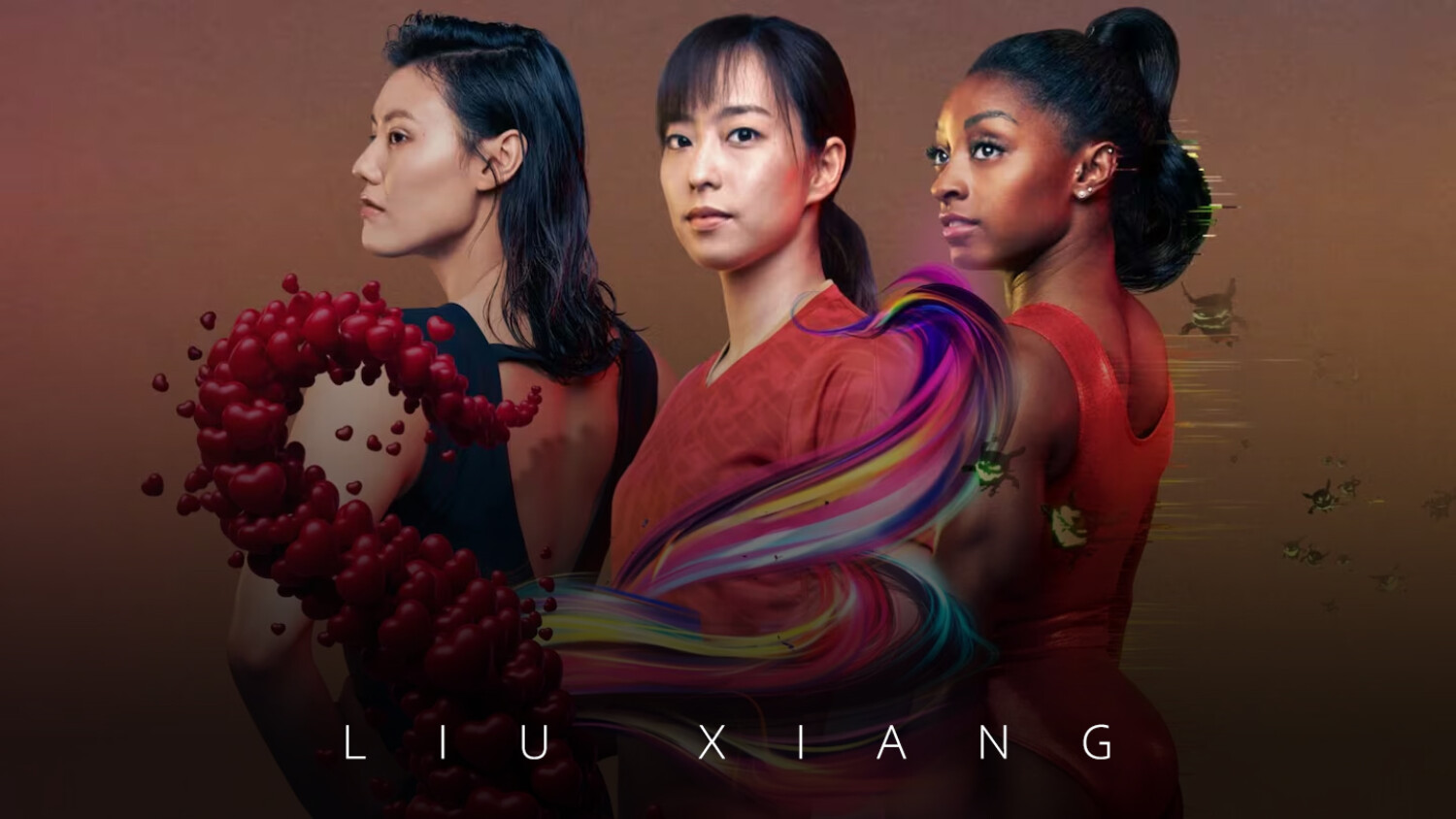
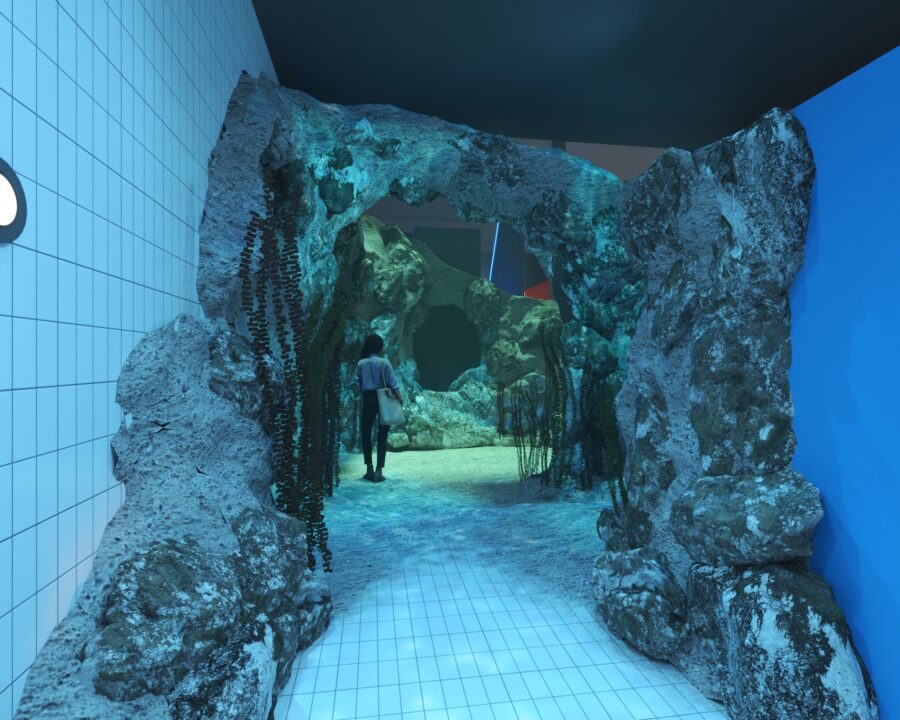
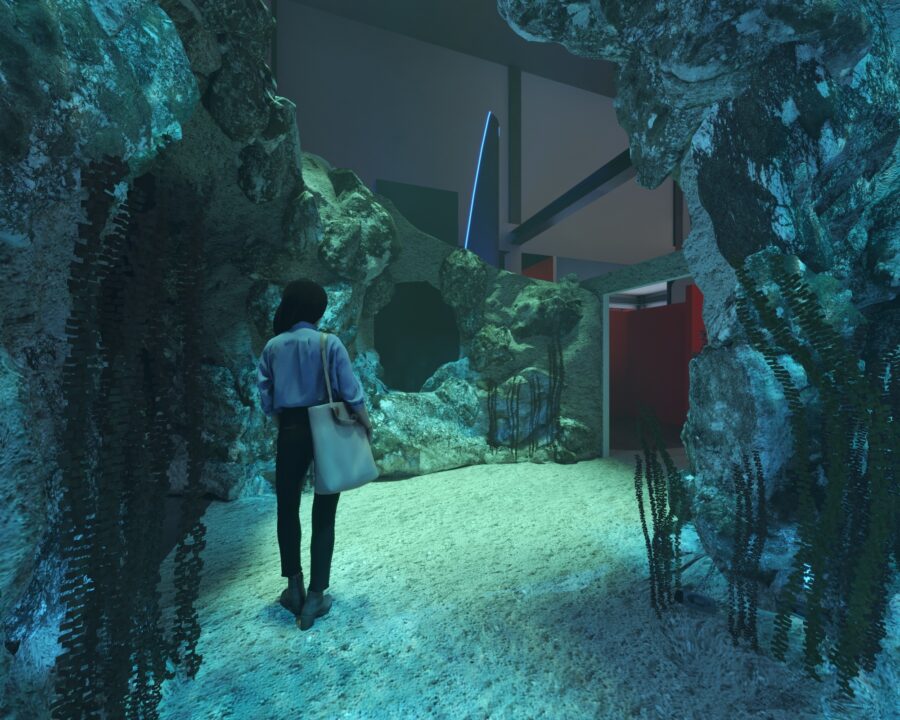
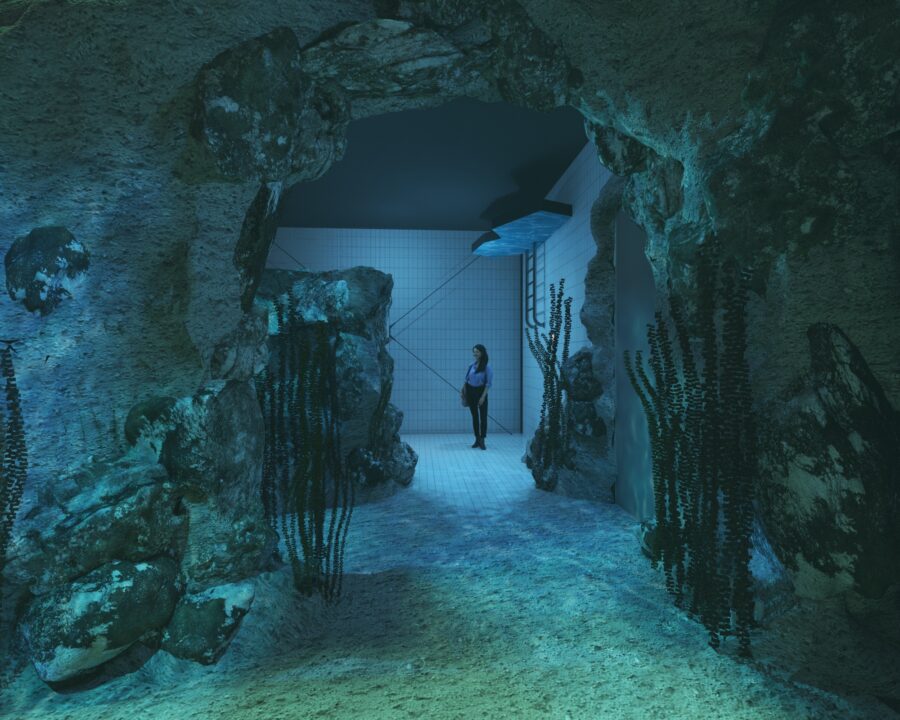
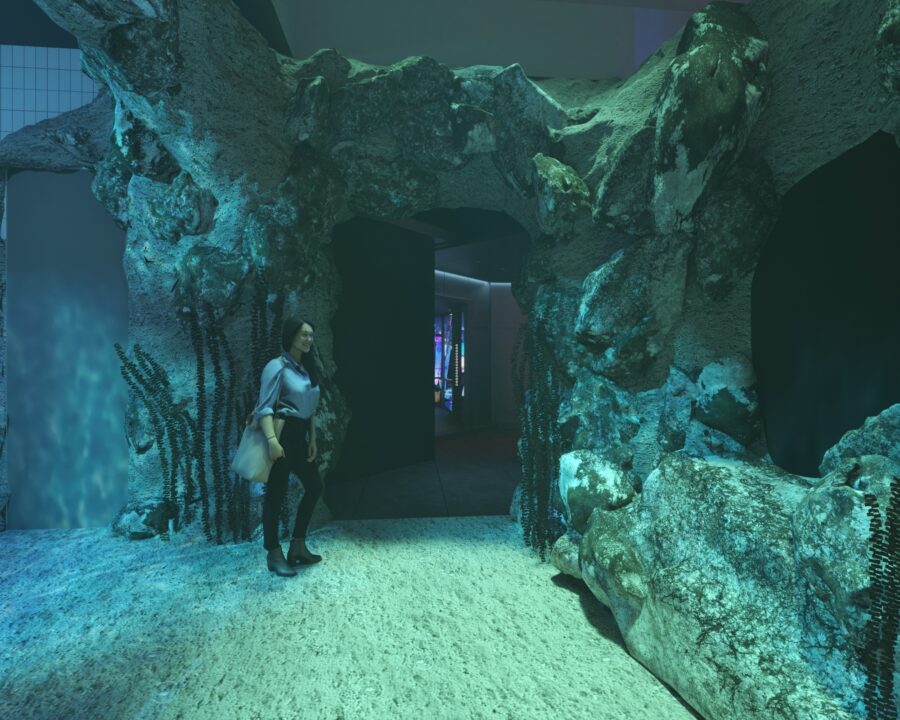
The second chapter transported visitors into an underwater world inspired by Chinese Olympic swimmer Liu Xiang. This environment focused on the struggle for recognition based on athletic merit rather than appearance. Participants navigated through schools of digital fish representing superficial judgment, ultimately confronting a large sea creature symbolizing objectification and misplaced focus.
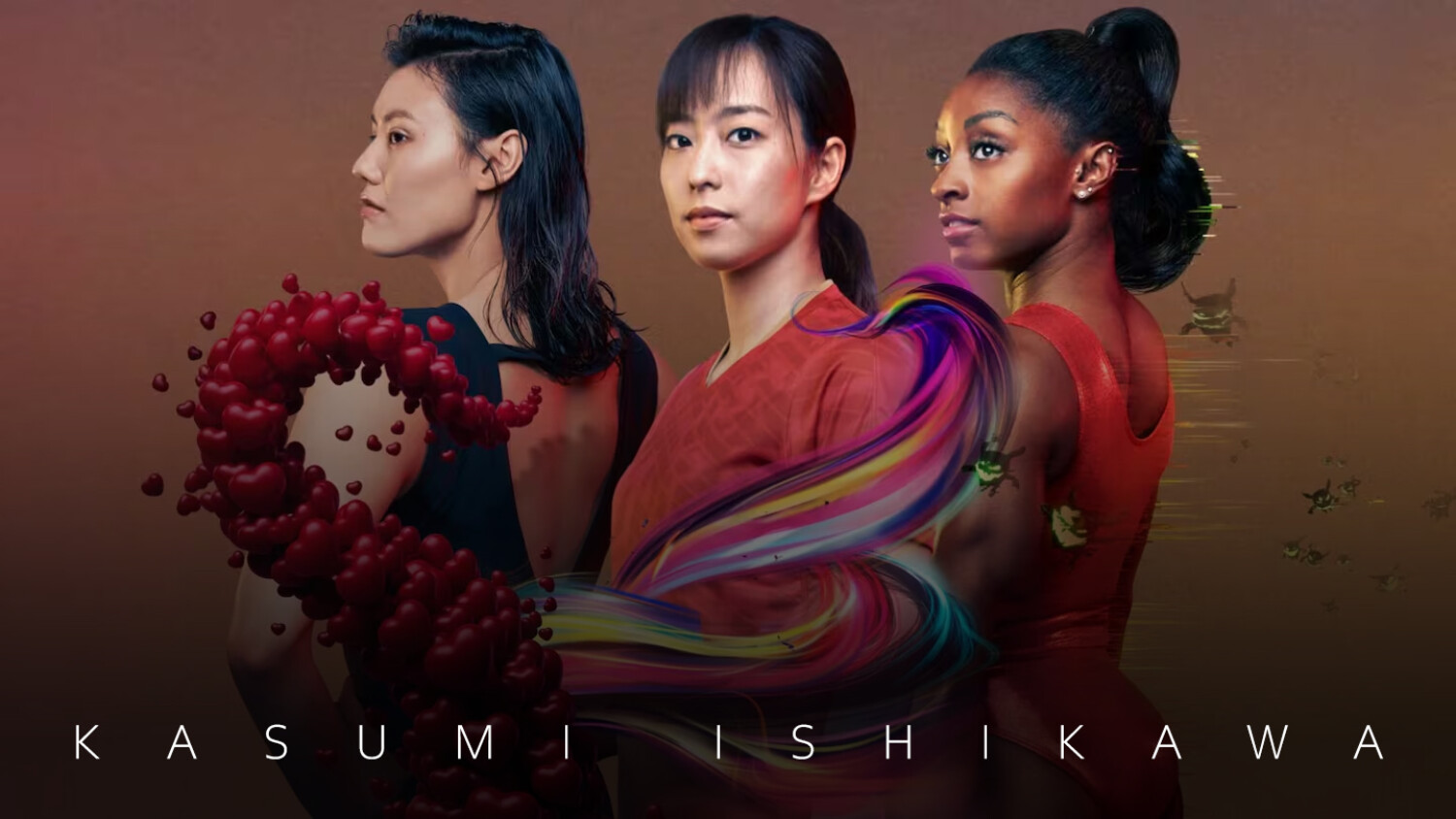
Chapter Three: Kasumi Ishikawa
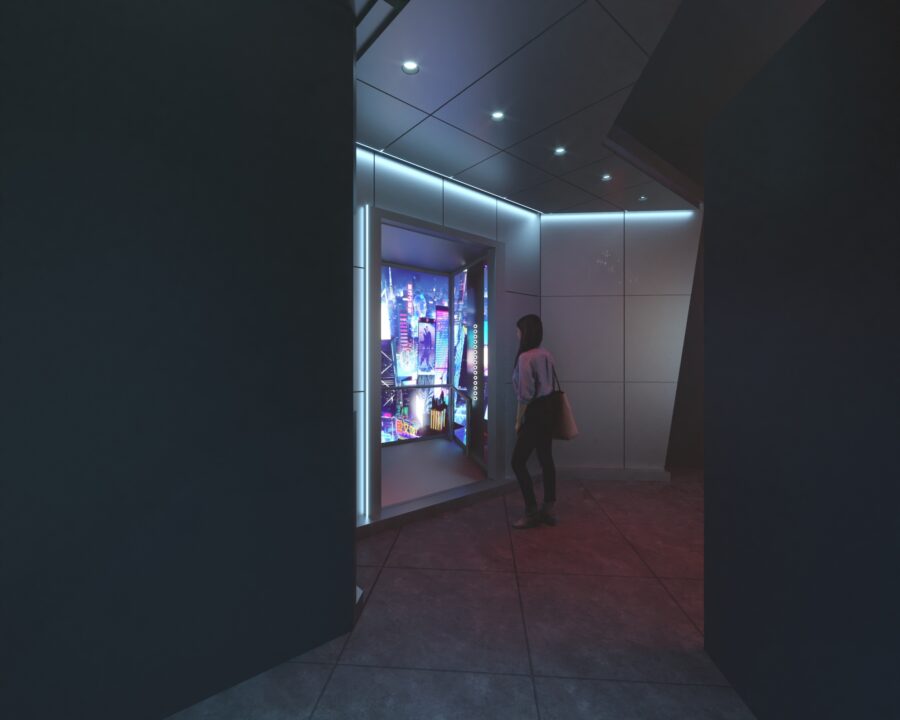
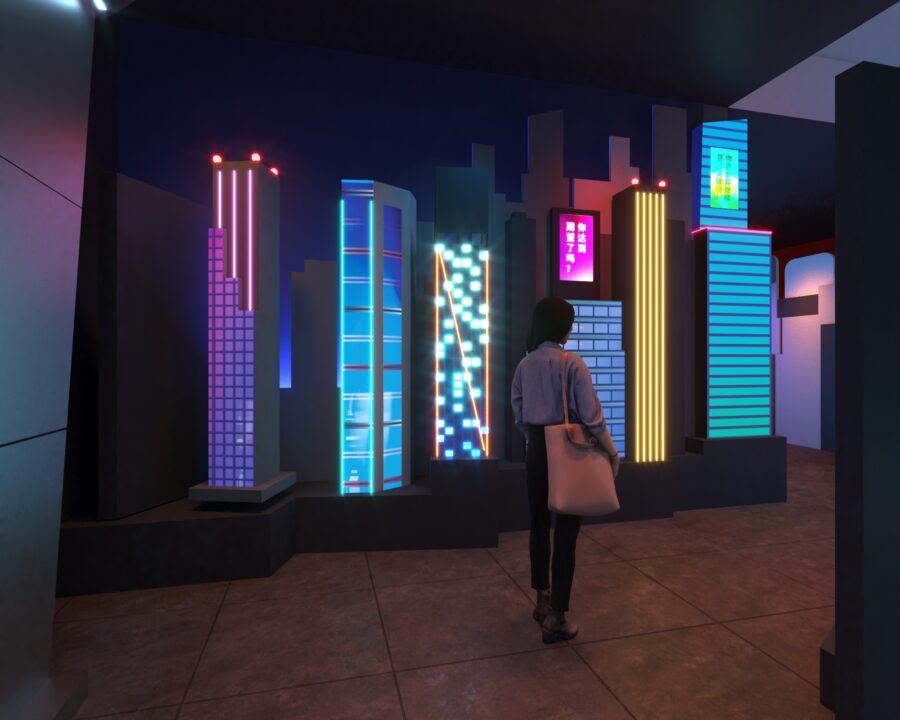
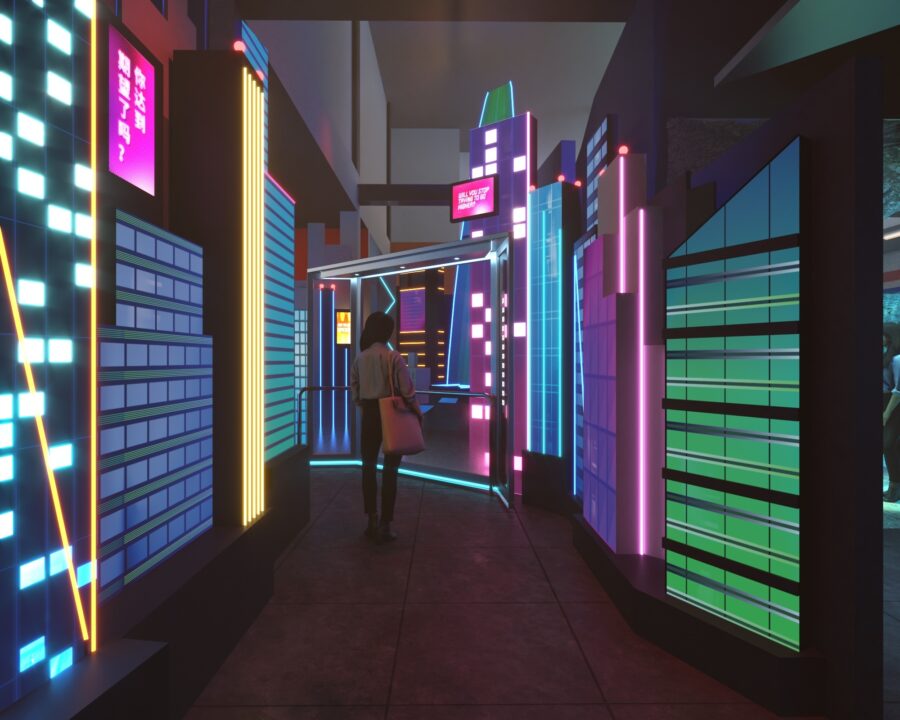
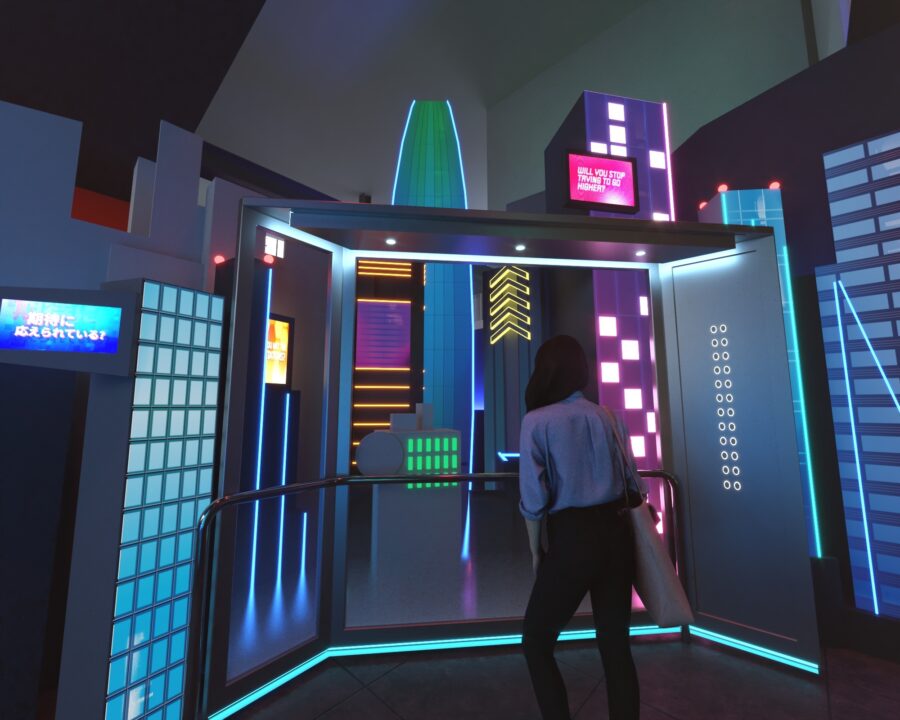
The final chapter took place in a futuristic Tokyo skyline alongside table tennis champion Kasumi Ishikawa. This experience explored themes of aging, expectation, and career longevity. Set high above the city, participants worked together to confront a vaporous presence representing self-doubt and societal pressure through coordinated movement, timing, and shared spatial challenge.
My Role and Areas of Contribution:
Product & Strategy
Vision
Align business goals, user needs, and technical realities into clear direction.
Experience & Interface Design (UX/UI)
Design intuitive, scalable experiences balancing usability and aesthetics.
Application & System Design
Design within real engineering constraints and sustainability.
Creative & Design Leadership
Set direction, mentor teams, and maintain quality through delivery.
Spatial & Environmental Design
Design environments where space and motion guide behavior.
3D Visualization & Prototyping
Utilize 3D to test concepts, align stakeholders, and reduce overall risk.
© Procter and Gamble. All images and trademarks are the property of their respective owners and used here for portfolio purposes only.